Say "AI for restaurants" out loud and most people picture robot waiters, drone deliveries, or a kitchen run by androids. Fun visuals, but they're a poor description of what's actually happening on the floor in 2026.
The real story is quieter. The independents, regional chains, and ghost kitchens that are getting an edge from AI aren't buying robots. They're plugging modern language and forecasting models into the boring parts of running a restaurant - the reservations log, the prep sheet, the inbox full of "do you have gluten-free options" - and freeing up their people to do hospitality.
What changed is the technology underneath. Open-weight models like DeepSeek V4 Flash, Moonshot Kimi K2.6, Z.ai's GLM-5.1, and MiniMax M2 have collapsed the cost of running a guest-facing AI agent to fractions of a cent per conversation. Frontier models like Claude Opus 4.7, GPT-5.5, and Gemini 3.1 Ultra carry 1M-to-2M-token context windows, which means an agent can hold your entire menu, allergen list, wine pairings, and last six months of reviews in working memory at once. That's the unlock. None of the use cases below required futuristic hardware. They required affordable, reliable, agentic models - and those finally exist.
Here are twelve places restaurants are putting AI to work right now.
1. Reservation handling that doesn't drop on a Friday night
Bookings look easy until 7 p.m. Friday hits and three guests are waiting at the host stand while the phone rings off the hook.
A modern AI booking agent takes reservations on your website, Google Business Profile, Instagram DMs, and WhatsApp simultaneously. It knows your floor plan, your turn times, your blackout dates, and your special-event capacity. It confirms the booking, sends a reminder the day before, asks about allergies, and reseats the slot if the guest cancels - all without a host picking up.
The leap in 2026 is that these agents don't just match keywords. Tool-using models like Claude Opus 4.7 and Kimi K2.6 actually call your booking system, check availability, and write the reservation back. No double-bookings, no transcription errors, no "I'll have to call you back."
2. Personalized menus that quietly raise check averages
Recommendation engines used to require a data team. They don't anymore.
A digital menu, kiosk, or chat agent connected to your POS history can highlight the dish a returning guest is most likely to order, surface a wine pairing for the entrée they just selected, or push a higher-margin special when the kitchen has the slack for it. Some operators tie the model to weather and time of day so the menu nudges hot ramen on a cold Tuesday and a citrus spritz when the sun comes out.
The mechanics are unglamorous: order history plus a small prompt plus a fast model. The compounding effect on average check is not.
3. Always-on guest support that handles the boring 80%
"What time do you open?" "Do you take walk-ins?" "Is the patio dog-friendly?" "Do you have anything vegan?"
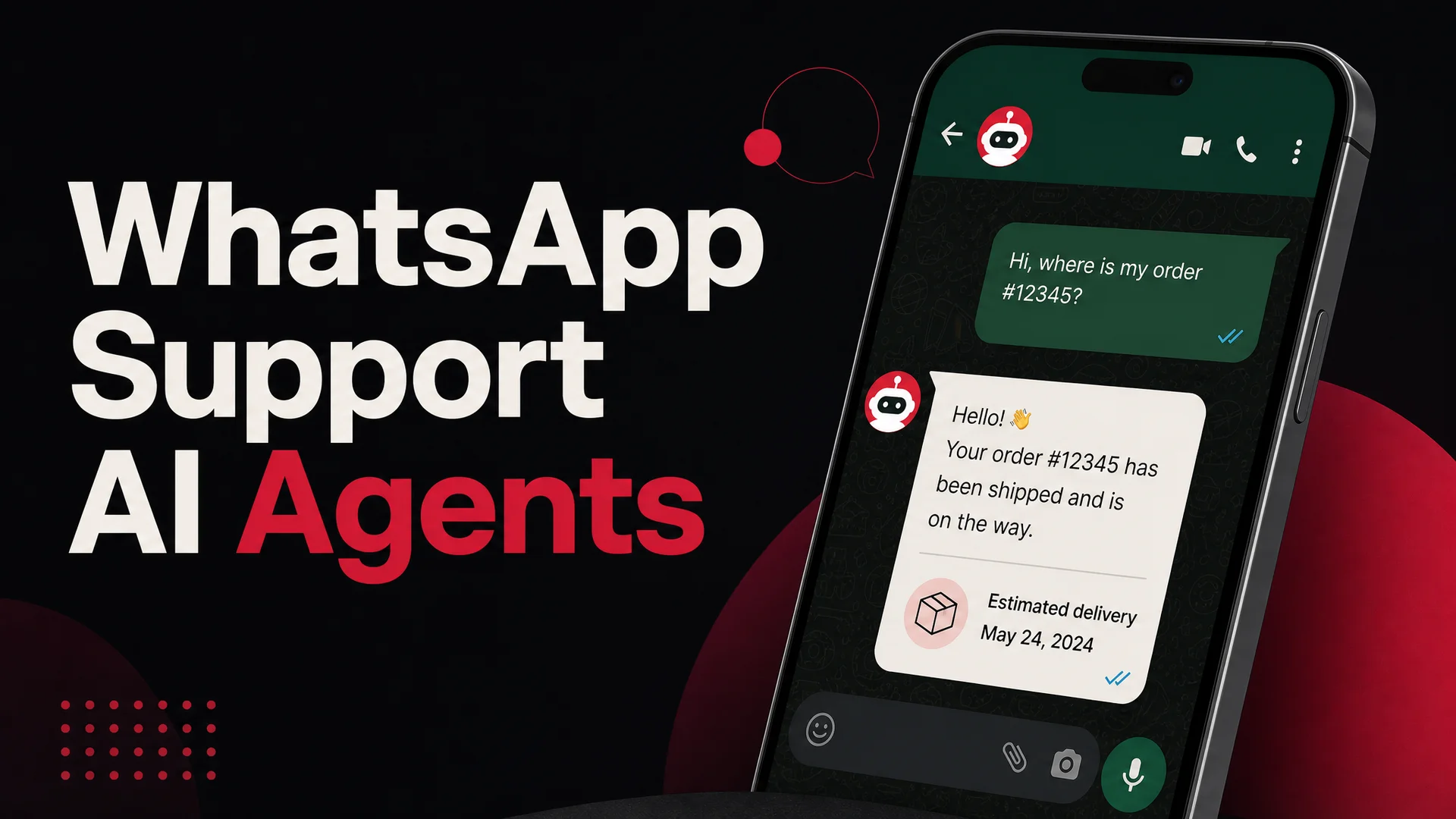
These questions are the bulk of front-of-house communication, and almost none of them need a human. An AI support agent trained on your menu, FAQs, dietary information, and house policy answers them instantly on your website, Instagram, Facebook Messenger, and WhatsApp. The cost difference is dramatic - a routine Q&A turn on DeepSeek V4 Flash runs at $0.14 per million input tokens, which works out to fractions of a cent per conversation.
The best agents go further. They modify a reservation, capture feedback after the visit, take a private-event inquiry and route it to your events manager with the right context already gathered. That's the layer where Berrydesk lives: a branded chat agent for your restaurant, deployed in minutes, that handles guests the way a great host would.
4. Inventory and waste prediction
Food waste is profit on a tray headed for the bin. AI forecasting tools pull from your past sales, your prep sheets, your weather, and your local event calendar to predict how much salmon, romaine, or short rib you'll actually move next week.
The forecasts feed two places: your prep list, so the kitchen isn't over-cutting at 4 p.m., and your ordering system, so you're not stuck with crates of perishables on Sunday night. Some platforms tie directly to suppliers and let you place a recommended order with one click. The teams using this well report meaningful drops in food cost percentage - not because the model is magic, but because it forces the kitchen to plan against data instead of gut feel.
5. Marketing that actually segments
Blanket promotions train your most loyal guests to wait for discounts. Targeted ones pay you back.
A modern AI marketing tool can split your CRM into meaningful cohorts - "vegetarian, dines-in midweek," "weekend brunch couple, average check $80," "lapsed regular, last visit 90 days ago" - and write campaign copy specific to each. Send the brunch couple a sparkling-wine pairing offer for Saturday. Send the lapsed regular a "we miss you" with their old favorite dish in the subject line. Skip the mass blast.
This is one of the cleanest places to use a long-context model. Drop your last year of order data, top-performing campaigns, and brand voice guide into a Gemini 3.1 Ultra or Claude Opus 4.6 context window and let it write a calendar of segmented campaigns end-to-end. What used to need a marketing agency now needs a thoughtful prompt and an hour.
6. Voice ordering for the drive-thru, kiosk, and phone
Some guests want to talk. Voice AI has caught up to that, and the bar is now the kind of fluent, interruption-tolerant conversation a competent line cook would have on the phone.
A voice agent fronting your phone line takes pickup orders, confirms modifications, upsells naturally ("want to make that a combo?"), and posts the ticket directly to your KDS. Drive-thru and kiosk deployments cut order time and accuracy goes up because the agent doesn't mishear under noise the way a frazzled human can. Your team gets to focus on the food.
7. Staff scheduling that respects both demand and the team
Over-scheduling burns labor cost. Under-scheduling burns the staff and the guest experience.
AI scheduling systems blend last year's covers, your current bookings, the local sports calendar, and the weather to predict shift-by-shift demand and propose a schedule that hits it without overstaffing. The good ones also respect your team's preferences and availability - fewer 4 a.m. shift swaps in Slack, fewer no-shows because someone's class moved.
The point isn't to take the GM out of the loop. It's to give them a reasoned starting draft instead of a blank Excel grid at midnight.
8. Sentiment patterns inside your reviews
Yelp, Google, OpenTable, TripAdvisor, Resy, Reddit. No GM is reading every word.
An AI review analyzer can. It clusters mentions into themes - service speed, room temperature, specific dishes, parking, noise, the new server who keeps getting named - and surfaces the patterns. You learn that the lamb tartare has been quietly winning hearts and that wait times on the patio have spiked since the new layout. Both are actionable. Neither is sitting in any one review.
This is where 1M-token context windows earn their keep. You can hand the model your last quarter of reviews in a single pass and ask for a structured summary. No sampling, no "we'll have to read 10% and extrapolate."
9. Dynamic pricing, used with restraint
Airlines do it. Rideshares do it. Restaurants are starting to - carefully.
Adjusting prices a few percent up on a busy Saturday or down during a slow Tuesday lunch is something AI can do hour by hour, by dish, based on real demand. The trick is doing it without making your regulars feel like they're being timed. The operators who get this right move slowly: a small dynamic margin on a few items, a clear price ceiling, and a willingness to explain it. It's a margin tool, not a manipulation tool.
10. AI-aware kitchen display systems
A modern KDS does more than print tickets. It sequences them.
When AI is wired into the display, the system understands which dishes share prep paths, which need to fire first to plate together, which require a longer rest, and which tables are still working through appetizers. Tickets reorder themselves so an entire table's mains land at once instead of trickling out three minutes apart. Kitchens move faster, expo gets cleaner, and your servers stop running interference between the pass and the floor.
11. Demand forecasting that goes beyond "last Saturday"
What's next weekend going to look like? Most operators answer that by glancing at the same date last year and adjusting by feel.
A forecasting model does it with more inputs: prior sales, holidays, school calendars, hotel occupancy nearby, the concert at the venue down the block, even local search trends. The output is a clearer prep list, a tighter schedule, and a smarter par on the perishable side of the walk-in. None of the inputs are exotic. The model just looks at all of them at once.
12. Menu engineering with real numbers
Some dishes sell well but barely make money. Others have brutal margins but no one orders them. A good menu engineer figures out which is which. AI can do it across thousands of tickets without losing the thread.
Feed the model your sales mix, food cost per dish, prep time, and waste data, and it'll tell you where to invest design real estate (the upper-right of the page, the photo, the server's first suggestion) and where to quietly retire something. It also surfaces combinations - "guests who order the burrata almost always add the cocktail flight" - that are easy to miss in a spreadsheet but obvious to a model that's seen every ticket.
What to watch out for
Two things to keep honest about.
Open-weight isn't always the right answer. DeepSeek V4 Flash and MiniMax M2 are extraordinary for the price, and they belong in your routing for routine guest questions. But escalations - a complaint about an allergen incident, a private-event inquiry from a high-value guest - should route to a frontier model like Claude Opus 4.7 or GPT-5.5 Pro. The cost difference is meaningful only at the volume tier, and the quality difference matters most exactly when the stakes are highest. Berrydesk lets you mix models per intent so you don't pay frontier prices for "what time do you open."
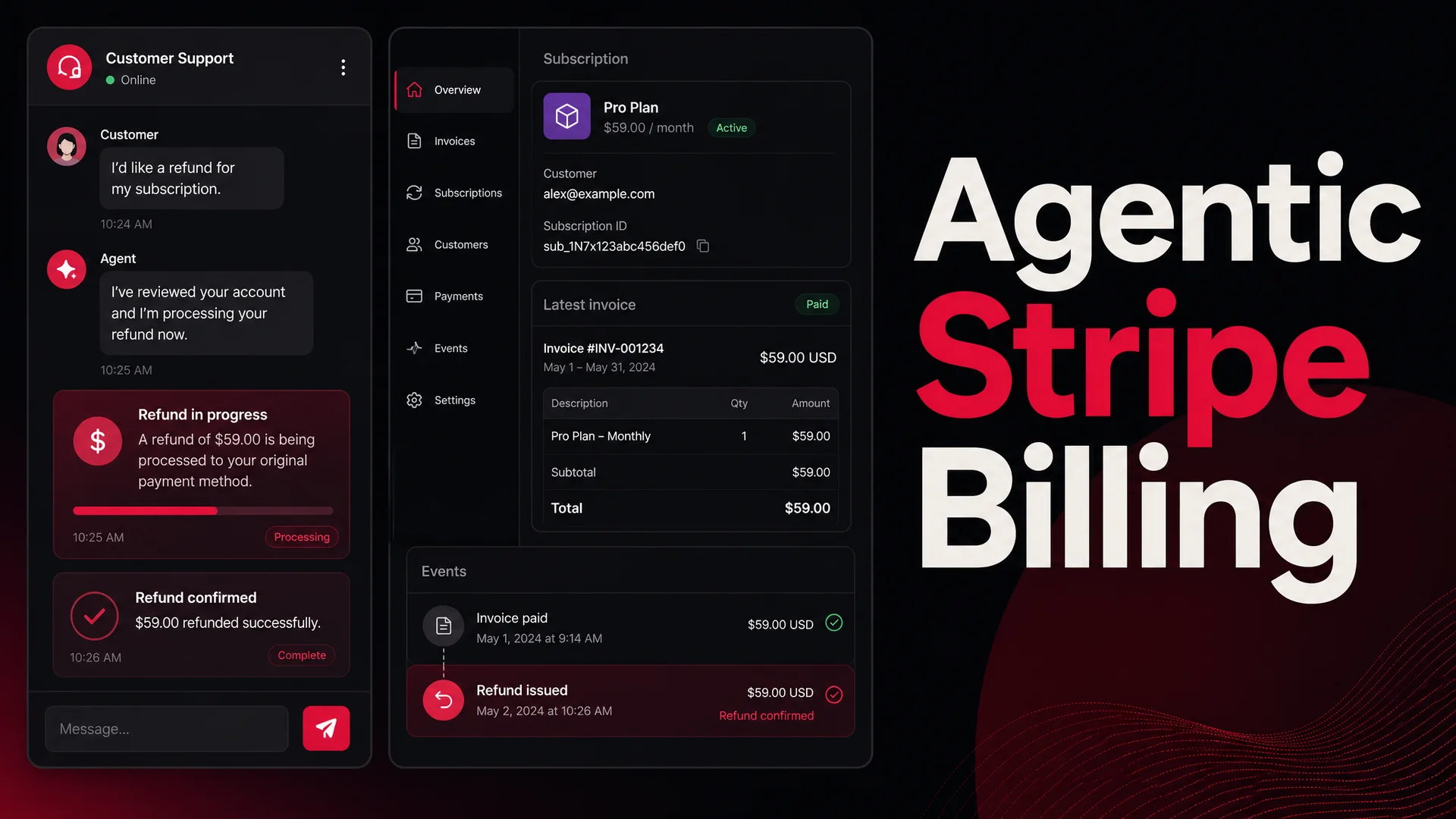
Voice and AI Actions need guardrails. A reservation agent that can also issue a comp or refund is powerful and risky. Set hard limits on what an action can do without a human in the loop, especially around money and capacity. Audit logs matter. So does a clear handoff path to a real manager when the agent isn't sure.
The smallest version of all of this
You don't need a full restaurant-tech stack to start. The fastest wins for an independent or small group are usually a guest-facing chat agent on your website and Instagram, plus an AI-handled reservation flow.
Berrydesk is built for exactly that. Pick a model - GPT-5.5, Claude Opus 4.7, Gemini 3.1 Ultra, DeepSeek V4, Kimi K2.6, GLM-5.1, Qwen3.6, MiniMax M2 - train it on your menu, FAQs, allergen sheet, and policies, brand the widget to match your restaurant, wire up AI Actions for bookings and waitlists, and deploy to your site, WhatsApp, Instagram DMs, and Slack in a single afternoon. No code, no developer.
Hospitality is still a people business. The point of all this AI isn't to remove your team - it's to keep them on the floor, looking guests in the eye, instead of stuck behind a phone or a spreadsheet.
Ready to put a smart, branded support agent in front of your restaurant? Start free at berrydesk.com.
 Berrydesk
Launch a guest-facing AI agent for your restaurant
- Take reservations, answer FAQs, and recommend dishes 24/7
- Deploy on your site, WhatsApp, Instagram, or a tableside QR - no code
Set up in minutes

Chirag Asarpota is the founder of Strawberry Labs, the team behind Berrydesk - the AI agent platform that helps businesses deploy intelligent customer support, sales and operations agents across web, WhatsApp, Slack, Instagram, Discord and more. Chirag writes about agentic AI, frontier model selection, retrieval and 1M-token context strategy, AI Actions, and the engineering it takes to ship production-grade conversational AI that customers actually trust.